44 Diamonds Logo

Understanding the Global Diamond Market

Back to Journal

May 1, 2026

Understanding the Global Diamond Market

Diamonds have long symbolized wealth, love, and permanence—but behind their sparkle lies a complex and highly structured global market. From deep-earth mining operations to luxury retail showcases, the diamond industry spans continents, economies, and evolving consumer preferences. Understanding how this market works can give valuable insight into both its economic significance and future direction.

The Journey of a Diamond

Every diamond begins its journey deep beneath the Earth’s surface, formed under extreme heat and pressure over billions of years. Once mined, rough diamonds pass through several key stages:

Mining – Extracted from major producing countries like Russia, Botswana, Canada, and Australia

Sorting & Valuation – Categorized based on size, quality, and potential value

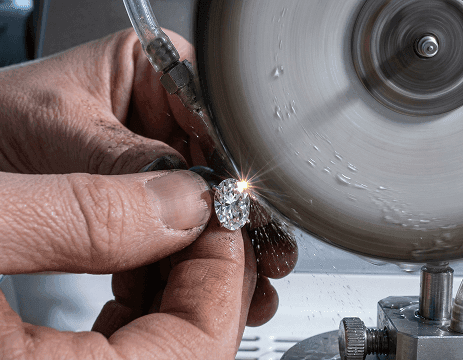
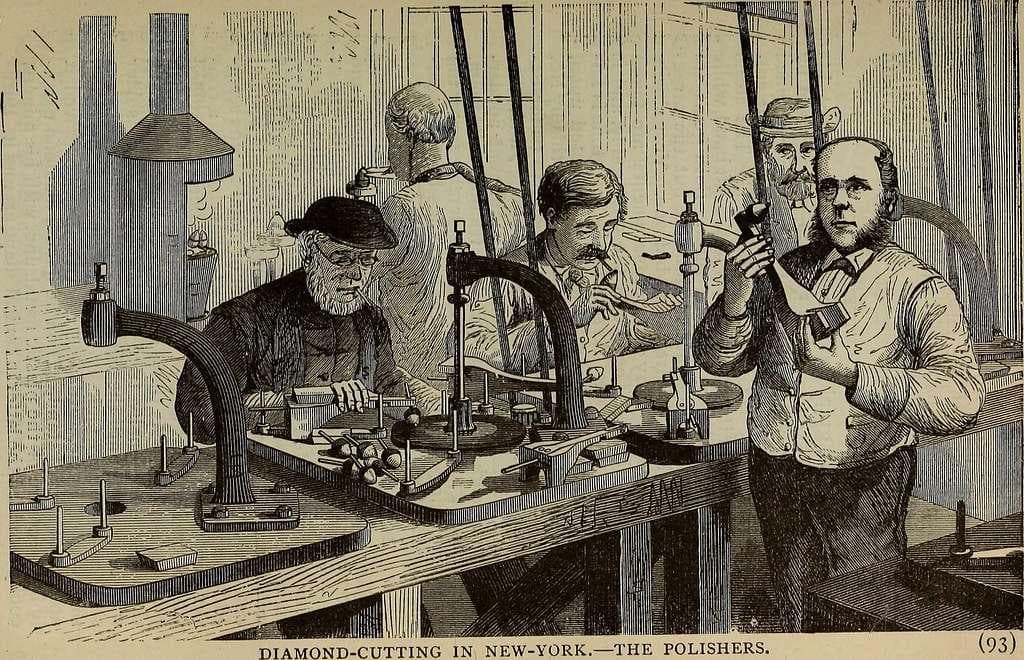
Cutting & Polishing – Transformed into finished gemstones, often in hubs like India and Belgium

Distribution & Retail – Sold through wholesalers, jewelers, and global luxury brands

India, particularly Surat, plays a critical role here—handling a significant portion of the world’s diamond cutting and polishing.

Key Players in the Market

The diamond market is shaped by a mix of mining giants, trading centers, and luxury brands:

Mining Companies – Large corporations dominate production and supply

Trading Hubs – Cities like Antwerp, Dubai, and Mumbai act as global trading centers

Retail Brands – High-end jewelers influence pricing, branding, and consumer perception

Historically, the market was tightly controlled by a few dominant entities, but today it is more decentralized and competitive.

Natural vs Lab-Grown Diamonds

One of the biggest shifts in the industry is the rise of lab-grown diamonds. These are created using advanced technology that replicates natural diamond formation.

Natural Diamonds: Formed over billions of years, higher perceived rarity, and emotional value. Generally more expensive.

Lab-Grown Diamonds: Produced in weeks, more affordable and environmentally controlled. Increasingly popular among younger buyers.

This shift is reshaping pricing models and consumer expectations across the industry.

Market Demand and Consumer Trends

The global diamond market is heavily influenced by changing consumer behavior:

Emerging Markets – Countries like India and China are driving new demand

Millennial & Gen Z Buyers – Prefer ethical sourcing and transparency

Customization – Increasing demand for personalized jewelry

Online Sales – Digital platforms are transforming how diamonds are bought and sold

Modern buyers are more informed and value-driven than ever before.

Ethical Sourcing and Sustainability

Concerns around 'conflict diamonds' have pushed the industry toward more ethical practices. Initiatives like certification systems ensure that diamonds are sourced responsibly and do not fund violence or exploitation.

Sustainability is also becoming a major focus: Reduced environmental impact in mining, increased adoption of lab-grown alternatives, and transparent supply chains. Brands that fail to adapt to these expectations risk losing relevance.

Pricing and Market Dynamics

Pricing and Market Dynamics

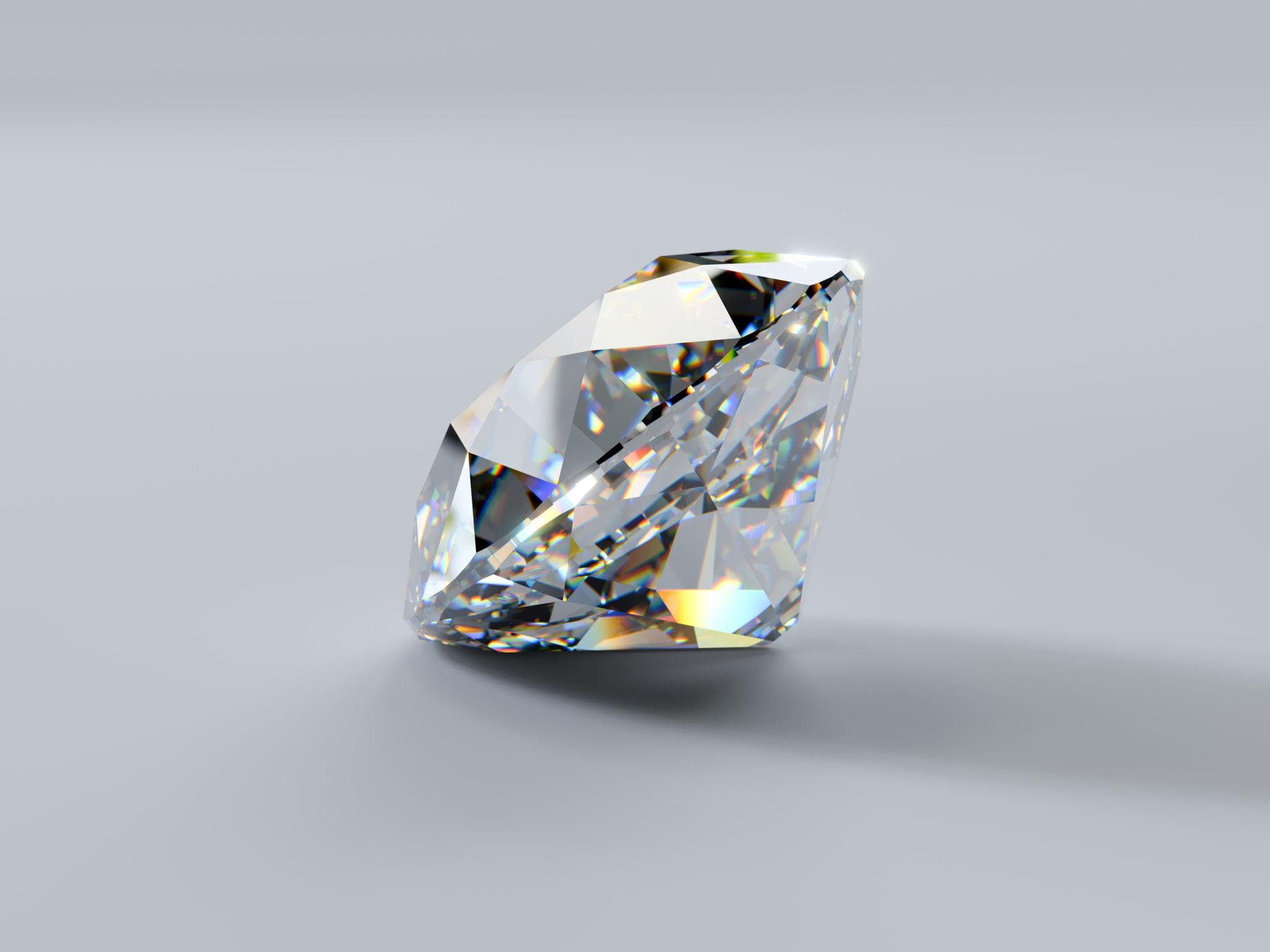
Diamond pricing is influenced by several factors, commonly known as the 4 Cs: Cut (determines brilliance), Color (ranges from colorless to light yellow), Clarity (measures internal imperfections), and Carat Weight (refers to size).

Beyond these, global supply, economic conditions, and brand positioning also play a role. Unlike gold, diamonds do not have a universal price index, making valuation more complex.

The Future of the Diamond Market

The Future of the Diamond Market

The diamond industry is at a turning point. While traditional luxury appeal remains strong, new forces are reshaping the market: Growth of lab-grown diamonds, increasing importance of sustainability, digital transformation in retail, and changing definitions of luxury and value.

As technology and consumer awareness evolve, the industry must balance tradition with innovation to stay relevant.