44 Diamonds Logo

The Evolution of Diamond Cutting Techniques

Back to Journal

May 1, 2026

The Evolution of Diamond Cutting Techniques

From rough stones to radiant brilliance

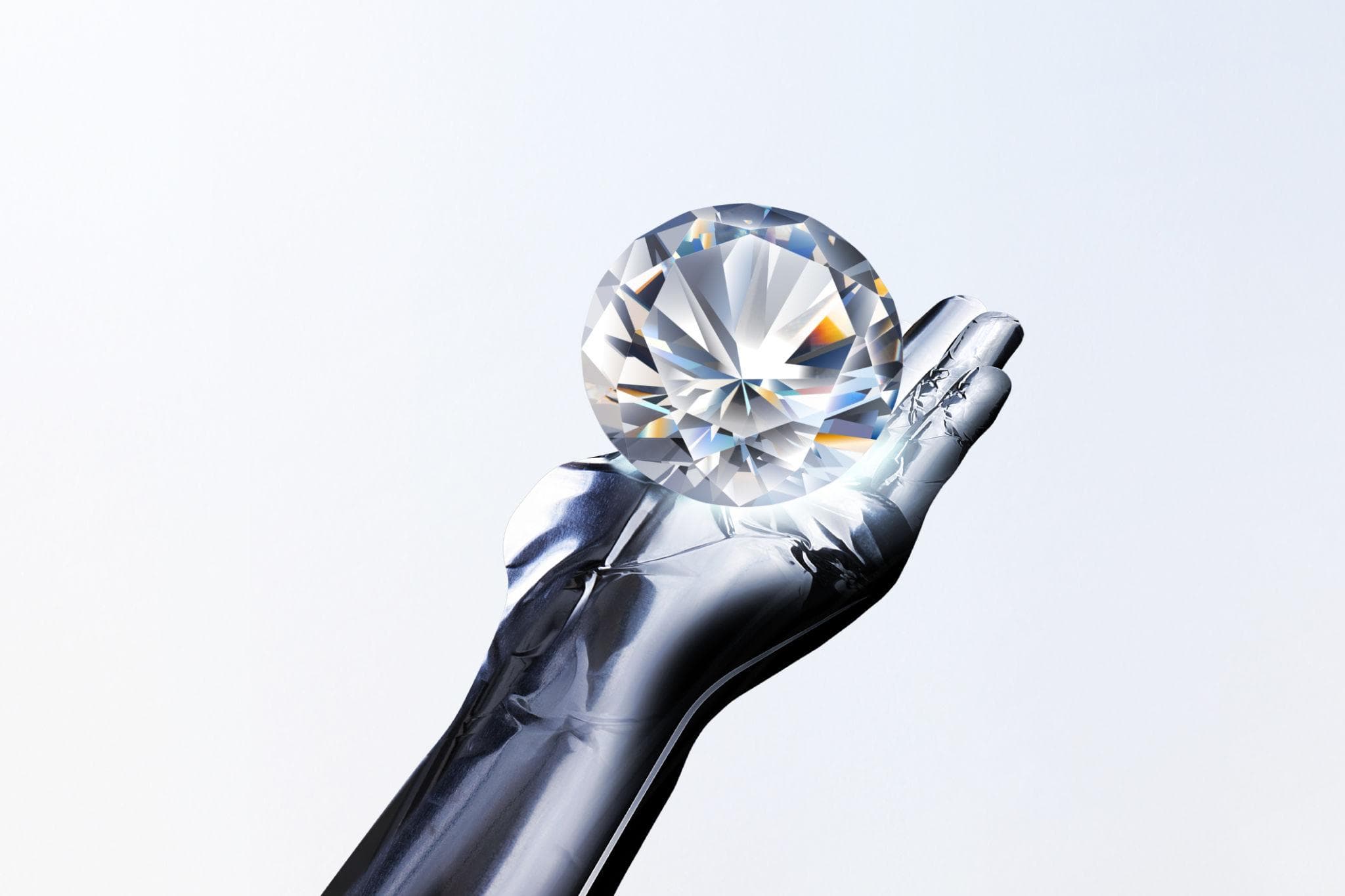
Diamonds have fascinated humanity for centuries—not just because of their rarity, but because of their ability to transform light into breathtaking brilliance. But what many people don’t realize is this: a diamond’s true beauty isn’t found—it’s created.

The journey from a rough stone to a dazzling gem is a story of innovation, craftsmanship, and technology. The evolution of diamond cutting techniques has played a crucial role in shaping the modern diamond industry as we know it today.

The Earliest Days: Natural Beauty Over Precision
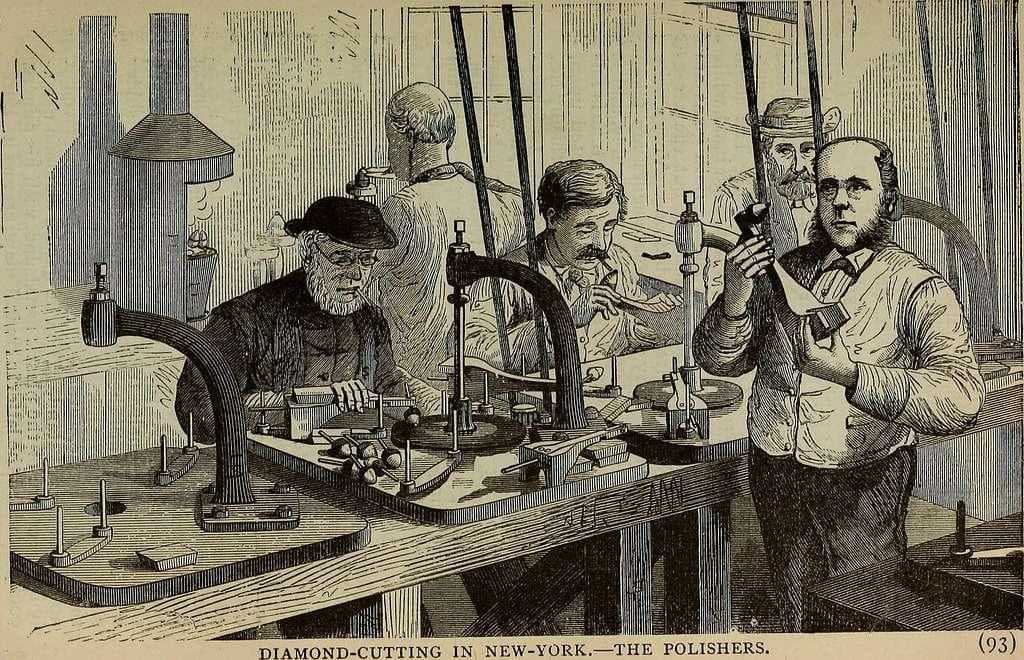
The Earliest Days: Natural Beauty Over Precision

In ancient times, particularly in regions like India—the earliest known source of diamonds—these gemstones were valued in their natural form. Instead of intricate cuts, diamonds were simply polished to enhance their natural shine.

The earliest cutting technique, known as the Point Cut, preserved the diamond’s original octahedral shape. There was little understanding of light reflection, so the focus remained on maintaining weight rather than maximizing brilliance.
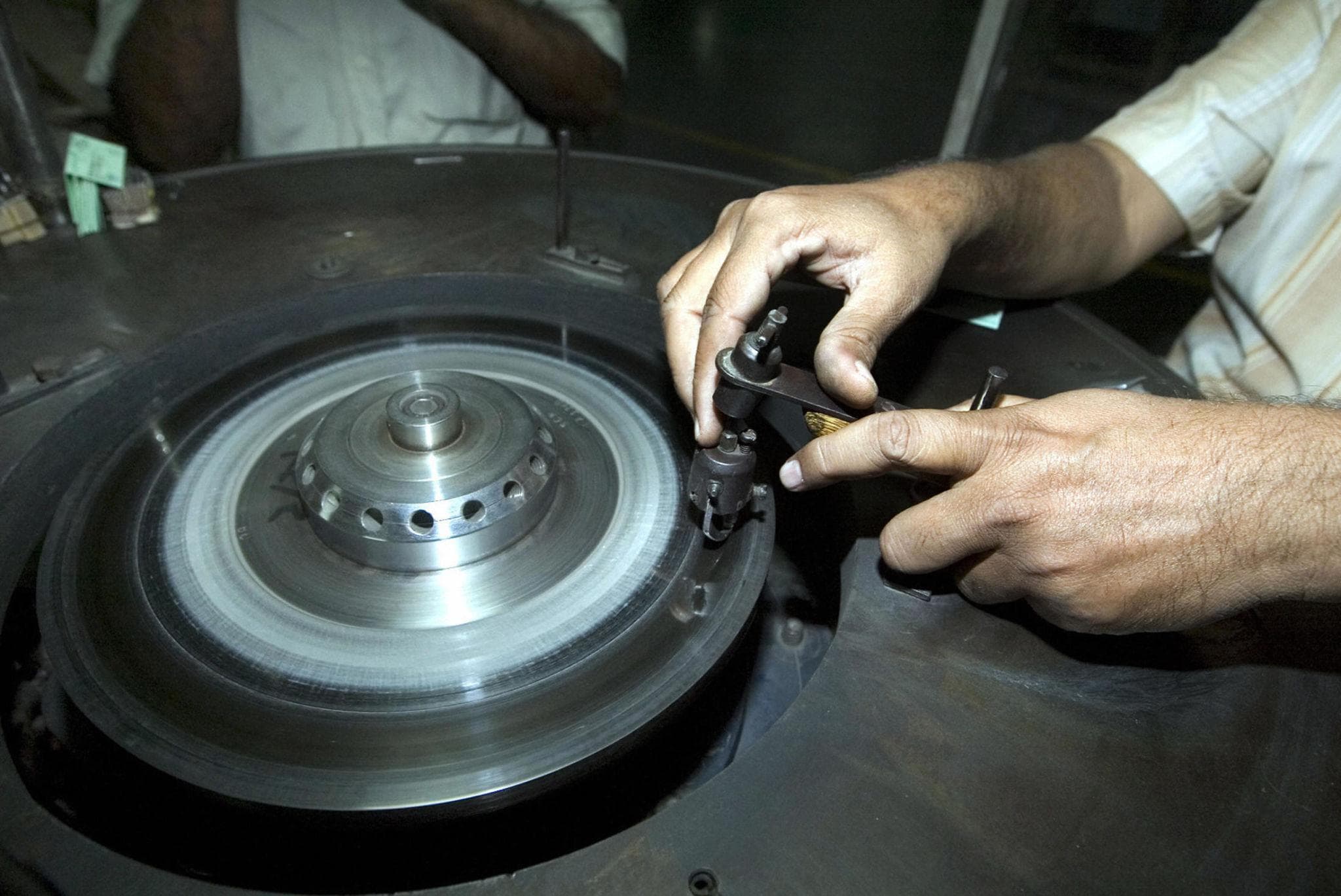
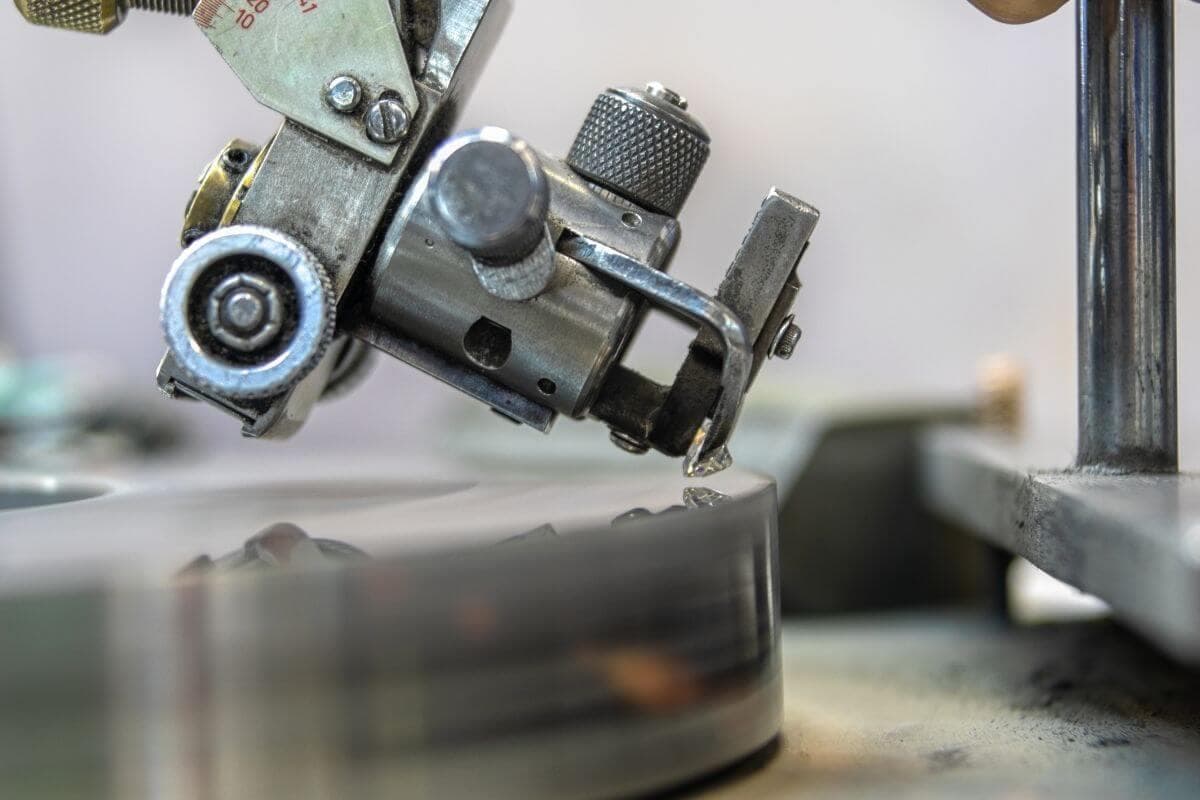
The Renaissance Era: Birth of Faceting

The Renaissance period marked a turning point. As craftsmanship advanced in Europe, diamond cutters began experimenting with facets—flat surfaces cut onto the stone.

Popular cuts during this era included the Table Cut (one of the first faceted cuts, featuring a flat top) and the Rose Cut (known for its dome-like shape with triangular facets).

These innovations allowed diamonds to reflect more light, introducing the idea that cutting could enhance beauty—not just preserve it.

The Scientific Revolution: Precision Meets Brilliance

The Scientific Revolution: Precision Meets Brilliance

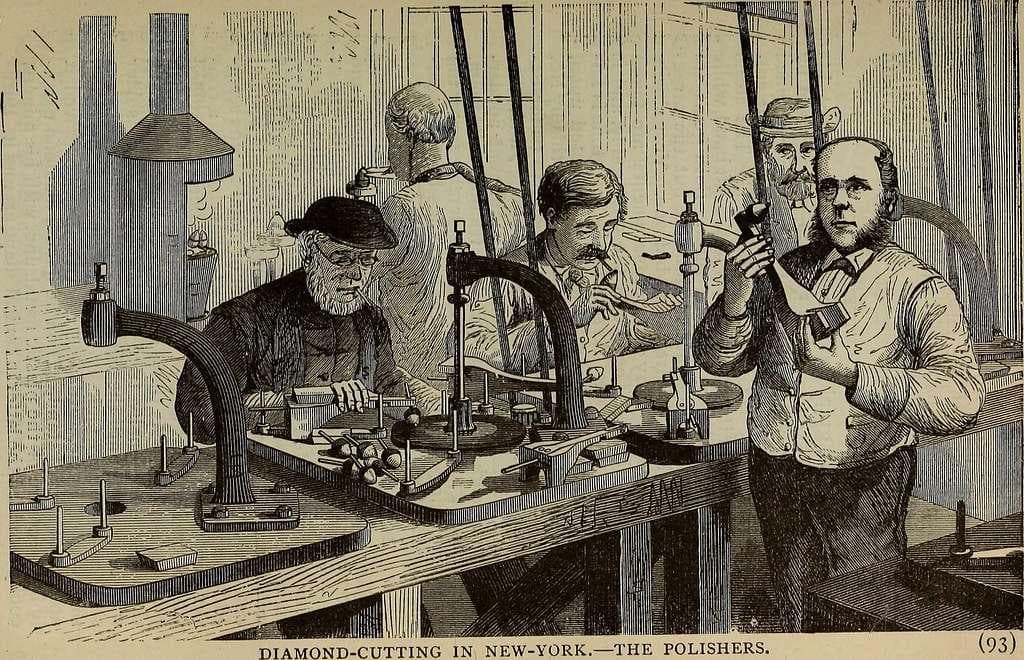
By the 17th and 18th centuries, diamond cutting became more scientific. Techniques such as bruting (shaping the diamond into a round form) and improved symmetry laid the foundation for modern cuts.

The Old European Cut emerged during this time, offering a round shape, larger facets, and improved sparkle under candlelight. This era marked the transition from craftsmanship to calculated precision.

The Modern Era: The Rise of the Brilliant Cut

The Modern Era: The Rise of the Brilliant Cut

The biggest breakthrough came in the early 20th century with the development of the Round Brilliant Cut, perfected by mathematician Marcel Tolkowsky in 1919.

His work introduced precise proportions that maximize light reflection and refraction, creating unmatched brilliance.

Modern advancements include: Laser cutting technology for extreme precision, Computer-aided design (CAD) for optimal symmetry, and 3D mapping to minimize waste and maximize value.

The Future of Diamond Cutting: AI and Automation

The Future of Diamond Cutting: AI and Automation

As technology continues to evolve, so does diamond cutting. Artificial Intelligence and automation are now being used to analyze rough diamonds for the best possible cut and predict value outcomes before cutting begins.

This shift ensures consistency, sustainability, and even greater brilliance in the diamonds of tomorrow.

Final Thoughts

The evolution of diamond cutting techniques is a perfect blend of art and science. From simple polishing methods in ancient India to AI-powered precision cutting, each era has contributed to unlocking the true potential of diamonds.

Next time you look at a diamond, remember—you’re not just seeing a gemstone. You’re witnessing centuries of innovation, craftsmanship, and human ingenuity, all captured in a single sparkle.